Last Updated by the Serious Play Business Content Team on 11 November 2025.
In our relentless pursuit of productivity, we’ve filled every minute with tasks, meetings, and notifications. Modern workplaces are louder and faster than ever, yet a paradox has emerged: despite all this activity, genuine engagement is falling, and innovation feels increasingly out of reach. We’re busy, but are we truly productive? The traditional model equating constant work with valuable output is breaking down, leaving teams feeling burnt out and disconnected.
This article challenges the long-held belief that play is the opposite of work. Instead, we’ll explore how “serious play”—structured, purposeful, and psychologically grounded play—is not a break from work but a powerful catalyst for it. We will delve into why this approach is essential for solving complex business challenges, fostering a vibrant creative culture, and unlocking a more meaningful and sustainable form of productivity for every employee.
When Busyness Fails to Boost Productivity
Modern work is defined by a constant state of digital connection. Every minute is tracked, every outcome is measured, and every message demands an immediate response. However, this hyper-activity often masks a deeper problem. Teams connect too much online, but they connect too little in person, leading to a deficit in genuine collaboration. The irony is that while activity metrics may climb, the sense of shared meaning that fuels motivation and innovation continues to shrink for many full-time employees.
Despite all this activity, engagement scores keep dropping, and creativity also feels harder to find. This isn’t a failure of effort; it’s a failure of presence. People arrive at meetings armed with pre-formed answers rather than genuine curiosity, shutting down the exploratory conversations needed to tackle complex business challenges. The operational world, with its focus on efficiency and execution, has squeezed out the space needed for the innovation world to thrive.
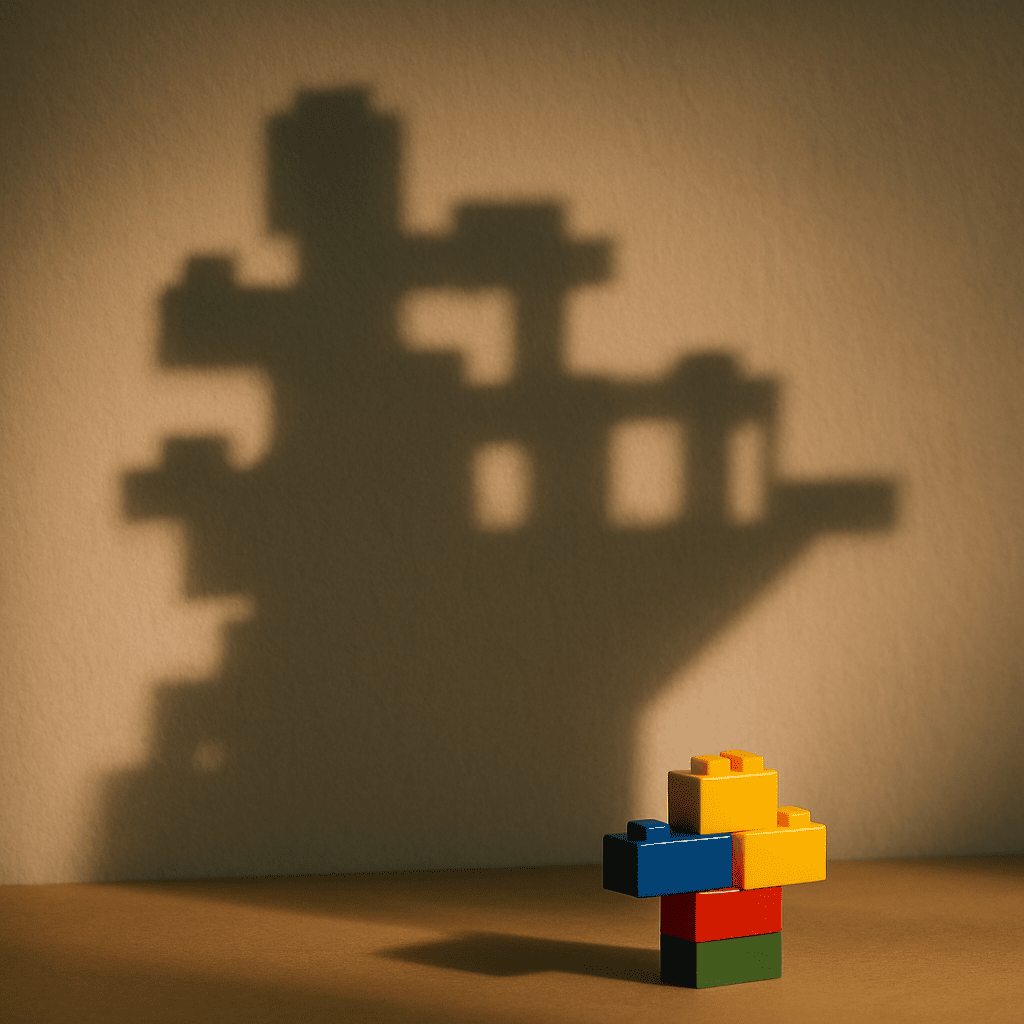
Why Play Belongs in Professional Spaces
The term “play” can make professionals uneasy, conjuring images of unstructured, childish activity. But this misunderstands its fundamental role in human cognition. Serious play is a structured, facilitated process designed to achieve specific outcomes. It’s how we safely test ideas, build mutual understanding, and navigate uncertainty.
In psychology and learning research, play starts divergent thinking. This means exploring many solutions before picking one—the very foundation of innovation. When team members engage in playful activities, they build empathy and psychological safety, creating an environment where they can experiment and contribute without fear of failure. This process is crucial for nurturing a resilient creative culture and unlocking higher team creative performance.
Click the ‘+’ button on the sections below to reveal more information.
How Play Facilitates Deeper Work
By embracing creative diversity, organizations find that play acts as a great equalizer. It breaks down hierarchical barriers and informational faultlines that often silence valuable perspectives. Methodologies like LEGO® Serious Play® (LSP) make this tangible. Play becomes an evidence-based tool that facilitates:
- Deepening Creative Thinking: Moving beyond surface-level brainstorming to uncover profound insights through storytelling and metaphor.
- Improving Team Behavior Integration: Giving every participant—from the most introverted analyst to the most extroverted leader—an equal voice and stake in the outcome.
- Building Shared Meaning: Creating a collective understanding of complex issues, which is essential for cohesive action and strategy execution.
From Task Mode to Flow State
True productivity and peak creativity don’t happen amid constant distraction; they emerge in a state of “flow.” This concept, popularized by psychologist Mihaly Csikszentmihalyi, describes the experience of being fully immersed in an activity, where focus is sharp, challenges feel energizing, and time seems to fade away. As noted in publications like the Harvard Business Review, achieving this state is critical for deep, meaningful work.
This is where hands-on, tactile methodologies create a powerful shift. Building physical models with LEGO bricks, for example, is one of the most reliable ways to guide people into a flow state. The physical engagement slows the brain’s frantic pace just enough to allow for deep reflection while keeping energy and engagement high.

Reframing Productivity Through Play
Play creates the psychological safety that productivity needs to thrive. When people feel free to explore, their mindset naturally shifts from compliance to contribution—from simply completing tasks to actively building meaning. This is the essence of a workplace that values innovation. Managers can intentionally design these experiences, guiding teams toward insight rather than just giving instructions.
This approach is highly adaptable to the challenges of remote work and hybrid environments. Visual collaboration platforms, digital pens, and even structured activities on video conference calls can simulate the engaging nature of in-person play. True productivity isn’t just about hours worked; it’s about energy restored, ideas shared, and meaning created.
Key Takeaways
- Play is a catalyst, not a break: Structured play is a strategic tool for enhancing focus, fostering deep creative thinking, and solving complex problems.
- Flow is the goal: Methodologies like LEGO® Serious Play® help teams move beyond surface-level work and into the highly productive state of flow.
- Hands-on engagement unlocks insight: Turning abstract challenges into tangible models helps teams identify root causes and co-create viable solutions.
- Play builds resilient cultures: Organizations that embrace structured play create psychological safety, which is the foundation for sustainable productivity and innovation.
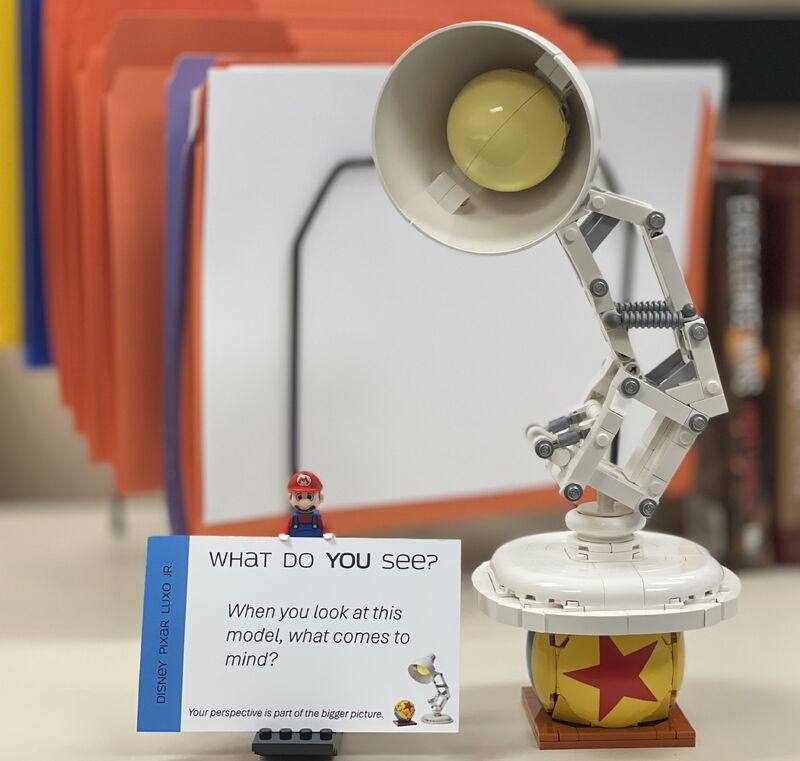
Related Reading: Seeing Leadership Through a LEGO® Lamp
Discover how Executive Coach Vince Araujo turned a simple LEGO® lamp into a powerful reflection on leadership and perspective. A reminder that sometimes, the smallest builds illuminate the biggest insights.
Read The Story